
Five Types of Charcoal for Summer Grilling barbecue
Back to articles
Table of content:
- Charcoal made briquettes offer slow, dependable heat for barbecue
- Hardwood lump charcoal burns hot with a smoky aroma
- Hardwood is a different type of Charcoal Briquettes that Generate Consistent Heat
- Coconut shell charcoal burns slowly with minimal flavor
- Binchotan hardwood Charcoal Creates a Consistent Heat Source
- What Makes Organic type of Charcoal Briquettes Stand Out?
- Understanding the Ecological Impact of briquette Charcoal
- Frequently Asked Questions
- What are the main differences between various types of charcoal?
- How does binchotan charcoal enhance grilling?
- Which type of charcoal is suitable for different grilling recipes?
- Why is organic charcoal briquettes considered eco-friendly?
- What are the advantages of charcoal briquettes for grilling?
- How does activated charcoal differ from other types used in grills?
Grilling enthusiasts know that the type of charcoal used can greatly impact the flavor and quality of your barbecue. With a myriad of charcoal options available, it's essential to choose the right one for the perfect grilling experience. In this article, we will explore five types of charcoal to help you achieve grill perfection.
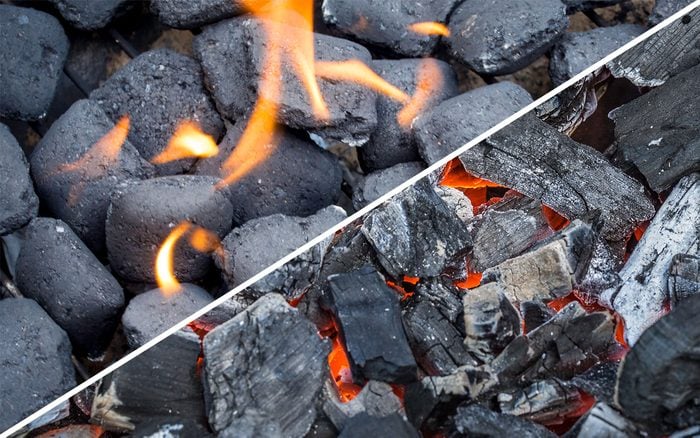
Lump charcoal and briquettes are two popular choices in the grilling world. Lump charcoal, made from hardwood logs, is known for its natural, smoky flavor and quick response to oxygen. This allows you to control the temperature in your charcoal grill with ease. On the other hand, charcoal briquettes, made from mixed hardwood, provide consistent heat and burn longer, making them an ideal choice for long, slow-cooking sessions.
Apart from hardwood lump charcoal and briquettes, there are other options such as coconut shell charcoal, which burns hot and evenly, and the rare and unique binchotan, sourced exclusively from Japan. By understanding the different types of charcoal, you can select the best heat source to cater to your grilling preferences and elevate your barbecue experience.
Charcoal made briquettes offer slow, dependable heat for barbecue
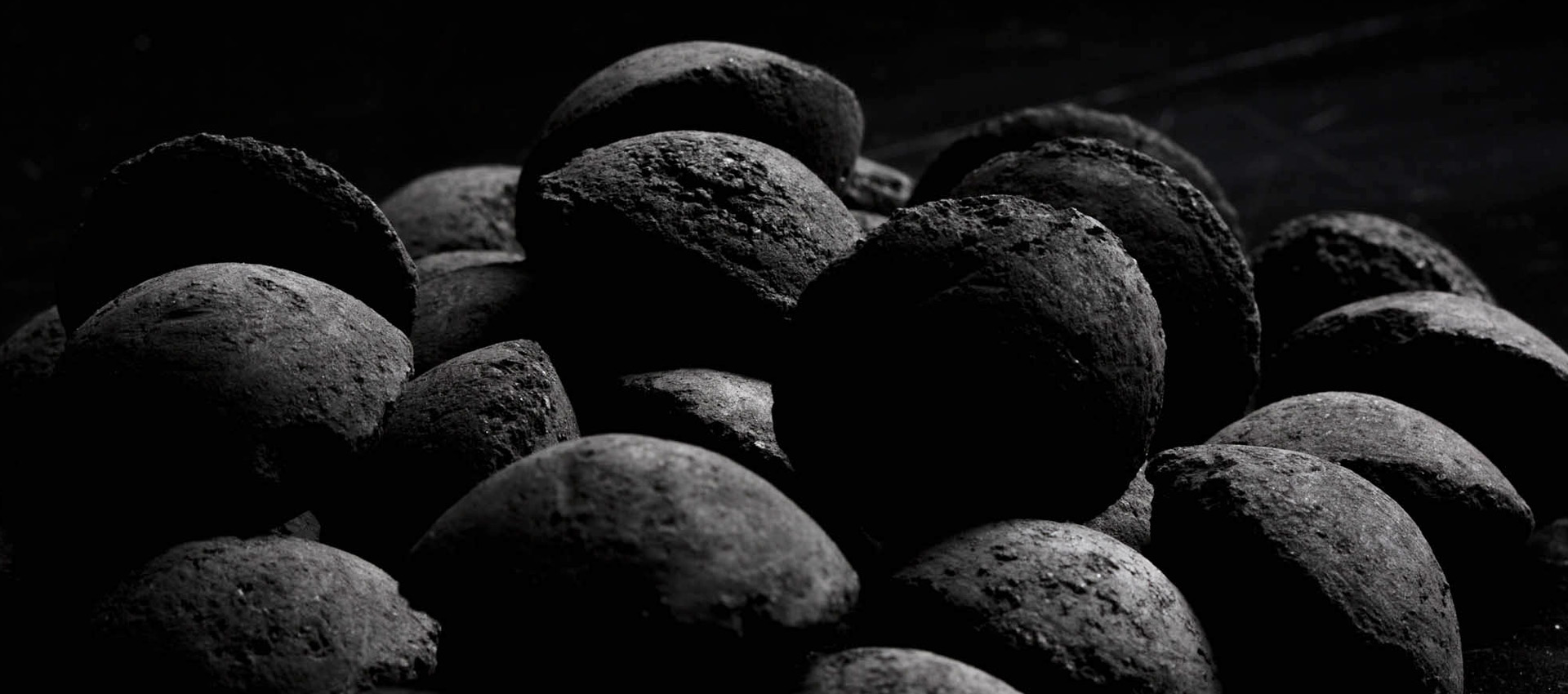
Charcoal briquettes are an excellent choice to achieve grill perfection, especially if you seek slow and dependable heat. Made from 100% recycled material, like organic-certified olive tree branches and olive pits, these eco-friendly briquettes come as a smart option for a health-conscious and environmentally responsible lifestyle.
Using charcoal briquettes on your grill, you can expect a consistent and even heat, which is essential for perfect barbecue results. Hardwood briquettes, in particular, are known for their long burn time, while bio charcoal offers a sustainable alternative to traditional coal-based options. When using a charcoal grill with briquettes, you can achieve great flavor and control over your cooking process.
It's necessary to heat your briquettes before adding them to the grill. A chimney starter is a useful tool that helps you achieve the ideal burning temperature without fuss. Once your briquettes are hot and ready, you can transfer them to your grill, maintaining the required distance for precise heat management.
Binder content is an essential aspect of charcoal briquettes, as it affects overall performance and burn quality. The combination of binders and other materials in briquettes can impact the charcoal burn time, affecting how long it takes to achieve that perfect crust on your grilled meats. Opt for briquettes with lower binder content to achieve cleaner, more consistent heat during grilling.
In conclusion, using charcoal briquettes in your grill will provide you with a slow, dependable heat source for outstanding barbecuing. Opt for eco-friendly options like bio charcoal and hardwood briquettes to ensure a sustainable, flavorful grilling experience that's both enjoyable and beneficial for the environment.
Hardwood lump charcoal burns hot with a smoky aroma
Hardwood lump charcoal is created when natural hardwoods, such as oak, hickory, and mesquite, are burned slowly in a high-heat, low-oxygen environment. It's a popular choice for grilling enthusiasts because of its ease of use, consistency, and the smoky aroma it imparts on the food you're cooking.
Compared to charcoal briquettes, lump charcoal burns hotter and faster, making it ideal for searing steaks and other meats that require high heat. In addition, hardwood lump charcoal is all-natural and doesn't contain any additives or binders like some charcoal briquettes do.
For a more sustainable and eco-friendly option, you may consider using coconut shell charcoal as an alternative. This type of charcoal is made from discarded coconut shells, reducing waste and providing a renewable resource. Although not as widely available as hardwood lump charcoal, it is known for its high heat and long burn time.
Another type of charcoal is Binchotan, a Japanese White Charcoal. It is unique in its ability to produce intense heat while emitting very little smoke. Although not as common as lump charcoal and briquettes, it's a great choice for those who want a clean, high-heat charcoal for their grilling needs.
If you're looking to add variety to your grilling, flavored briquettes make a great option. These briquettes come infused with different flavors, such as mesquite, hickory, or applewood. While still offering the convenience of a compressed charcoal briquette, they can enhance your grill's smoke and taste profile.
In summary, hardwood lump charcoal offers a reliable combination of high heat and distinct aroma that's perfect for grilling enthusiasts. However, there are several other types of charcoals available, each with their own benefits and applications. Choose the one that best suits your grilling needs and preferences for the perfect grilling experience.
Hardwood is a different type of Charcoal Briquettes that Generate Consistent Heat
When grilling, hardwood charcoal briquettes provide a consistent heat that ensures an even and thorough cooking process. Unlike some other types of charcoal, these briquettes maintain a stable temperature, allowing you to effectively control the heat while grilling your favorite meals.
Aside from their temperature consistency, hardwood charcoal briquettes are also known for their ability to produce distinct flavors. The natural components in hardwood can enhance the taste of various grilled dishes, giving them a smoky, rich profile that is difficult to replicate with other fuel sources.
However, this premium quality often comes with a slightly higher cost compared to other charcoal types, such as lump charcoal. But despite the price difference, many people choose hardwood charcoal briquettes for their proven benefits, like even burn and temperature control.
Hardwood charcoal briquettes are capable of reaching both high temperatures for quick searing and low heat for slow cooking. The versatility of their heat output means that you can use these briquettes to achieve the perfect cooking temperature for a wide range of recipes and grilling techniques.
In conclusion, if you're aiming for grill perfection, consider using hardwood charcoal briquettes to ensure consistent heat, excellent temperature control, and unique flavors. Remember that despite their slightly higher cost, the benefits of using hardwood briquettes are well worth the investment for both amateur and professional grillers alike.
Coconut shell charcoal burns slowly with minimal flavor
Coconut shell charcoal is an excellent choice for grilling due to its slow burn time and minimal effect on flavor. This type of charcoal is made from coconut shells, which naturally provide a longer burn time without compromising temperature control. When you use coconut shell charcoal, you can achieve both high and low heat cooking with ease.
One of the many benefits of using coconut shell charcoal is its even burn. Due to its consistent size and shape, this type of charcoal provides a more even heat distribution compared to other charcoals like lump or briquette charcoals. This consistency allows for better temperature control, making it easier to cook at both high and low heats.
Another advantage of coconut shell charcoal is its cost-effectiveness. Since coconut shells are a byproduct of the coconut industry, they are an abundant and affordable resource. This makes coconut shell charcoal a more budget-friendly option for grill enthusiasts.
In addition, coconut shell charcoal offers a neutral flavor to your food. Unlike some other types of charcoal, such as maple or mesquite, coconut shell charcoal does not impart a strong flavor to the food being cooked. This allows the natural flavors of your ingredients to shine through, giving you more control over the taste of your dishes.
Overall, coconut shell charcoal is a versatile and reliable option for grilling. Its slow burn time, even heat distribution, and minimal impact on flavor make it an ideal choice for both beginners and seasoned grill masters looking to perfect their cooking techniques.
Binchotan hardwood Charcoal Creates a Consistent Heat Source
When grilling with Binchotan charcoal, you can expect exceptional consistency in terms of heat and temperature control. This type of charcoal is known for its ability to provide a longer burn, which can last an impressive five hours, ensuring even heat distribution. With this consistency, your food will be cooked evenly and deliver enhanced flavors.
One of the qualities that make Binchotan charcoal stand out is its ability to reach high temperatures without generating unwanted smoke and odors. This makes it a popular choice for both high-heat and low-heat grilling techniques. Therefore, you can control the temperature effectively, allowing you to explore various cooking options.
The key to Binchotan's properties lies in its source: the Japanese Ubame oak tree. This special oak is native to Japan's hilly terrain and is transformed into Binchotan charcoal through a unique firing process inside earthen kilns. This process helps preserve the wood's advantageous features and is the reason behind binchotan's high-quality performance as a grilling fuel.
Now, keep in mind that Binchotan charcoal does come at a higher cost compared to other charcoal types. However, this investment in grilling perfection is worthwhile, especially if you're a serious grilling enthusiast who values consistent heat, excellent temperature control, and minimal off-flavors. Upgrading to Binchotan charcoal will surely elevate your grilling experience to a whole new level.
What Makes Organic type of Charcoal Briquettes Stand Out?
When grilling or smoking on a charcoal grill, you want to ensure that your steaks and other dishes have the perfect smoky flavor. One way to achieve that is by using organic charcoal briquettes. They set themselves apart from other forms of charcoal in several ways.
First and foremost, organic charcoal briquettes are made from sustainable sources. Unlike traditional charcoal, they are created by recycling branches from annual pruning and combining them with olive pits and pulp. This not only reduces waste, but also supports an eco-friendly production method.
Speaking of eco-friendly production, these organic charcoal briquettes are made without the use of any harmful chemicals. This means they won't produce any toxic fumes or harmful residue while burning, ensuring a cleaner and safer cooking environment for you and your family.
In addition, organic charcoal briquettes emit 30% less carbon monoxide than their traditional counterparts. This reduction in carbon emissions makes them a more environmentally responsible choice for your grilling and smoking needs.
When it comes to performance, organic charcoal briquettes have many advantages. They light up easily with the use of a charcoal chimney, helping you avoid the struggle of getting your grill started. Once lit, they burn evenly and produce steady heat, which helps to prevent flare-ups and maintain consistent cooking temperatures for your various dishes.
Moreover, the natural composition of organic charcoal briquettes imparts a unique and distinct smoky flavor to your grilled or smoked items. This helps to elevate the taste of your steaks and other grilled dishes, creating an unforgettable culinary experience.
In summary, using organic charcoal briquettes for your grilling and smoking needs is not only an environmentally responsible choice, but it also ensures better-tasting food and a safer cooking environment. So next time you fire up your charcoal grill, consider reaching for organic charcoal briquettes and let the flavor speak for itself.
Understanding the Ecological Impact of briquette Charcoal
When grilling with charcoal, it's important to consider the ecological impact of your chosen fuel source. Charcoal production can contribute to deforestation and forest degradation, with less than 7% of charcoal in the tropics leading to deforestation (ScienceDirect). By understanding the environmental footprint of different types of charcoal, you can make more sustainable choices for your grilling needs.
Wood charcoal, the most traditional choice for grilling, is usually made from hardwood and releases higher levels of carbon dioxide compared to more eco-friendly alternatives like coconut shell charcoal or bamboo charcoal. Deforestation, primarily driven by wood charcoal production, can lead to loss of biodiversity, soil degradation, and increased greenhouse gas emissions. However, it is worth noting that not all wood-based charcoal has the same ecological footprint. Look for sustainably sourced wood charcoal that comes from responsibly managed forests or certified by reputable organizations such as the Forest Stewardship Council (FSC).
Another option is to consider alternative types of charcoal with a lower environmental impact. For example:
- Coconut shell charcoal: Made from the shells of coconuts, this type of charcoal is considered more sustainable as it uses a byproduct that would otherwise go to waste. It also produces less smoke and has a longer burning time compared to wood charcoal.
- Bamboo charcoal: Derived from the fast-growing bamboo plant, this sustainable alternative has a lower ecological footprint due to its rapid regrowth and minimal impact on deforestation.
When selecting charcoal for your grill, keep in mind that each type has different burning characteristics, so it is essential to try different options and find the one that best suits your needs. Additionally, reducing your overall grilling frequency can also help in minimizing your environmental footprint.
Remember that the type of fuel you choose isn't as important as sourcing it sustainably (The Atlantic), so making informed decisions about the charcoal you use will not only provide you with optimal grilling results but also help preserve our planet's resources for future generations.
Frequently Asked Questions
What are the main differences between various types of charcoal?
There are several types of charcoals used for grilling, each having unique properties and characteristics. Lump charcoal, for instance, is made from hardwood and provides fast lighting and high heat. Briquettes, on the other hand, offer a stable burn, maintaining a consistent temperature for longer periods. Binchotan charcoal from Japan, is known for its high heat and long burning time. Coconut shells and briquettes offer an eco-friendly alternative with minimal ash production, while activated charcoal is used for its detoxifying properties and not suitable for grilling.
How does binchotan charcoal enhance grilling?
Binchotan charcoal, also known as white charcoal, enhances grilling due to its high heat output, long burning time, and minimal smoke production. It burns at a higher temperature compared to other types of charcoal, allowing you to achieve a great sear on your ingredients without overcooking. The minimal smoke produced by binchotan charcoal also ensures that your food retains its natural flavors.
Which type of charcoal is suitable for different grilling recipes?
The type of charcoal to use depends on your specific grilling needs and preferences. For fast cooking and high heat, lump charcoal is your best choice. If you're looking for a stable, long-lasting burn for low-and-slow cooking, briquettes would suit you better. Binchotan charcoal can be used for searing and sealing in natural flavors, while coconut shell or briquettes offer an environmentally friendly alternative.
Why is organic charcoal briquettes considered eco-friendly?
Organic charcoal briquettes are considered eco-friendly because they are made from renewable and sustainably sourced materials, such as coconut shells or bamboo. These materials are byproducts of other industries and help reduce waste. Moreover, organic charcoal briquettes produce less ash and, in some cases, contain no chemical additives compared to traditional briquettes, resulting in fewer emissions when burned.
What are the advantages of charcoal briquettes for grilling?
Charcoal briquettes offer several advantages when grilling. They provide a stable and consistent burn, ensuring your grill maintains a steady temperature throughout the cooking process. This makes them ideal for barbecuing and slow-cooking recipes that require precise temperature control. Charcoal briquettes also produce less ash, making cleanup easier, and are widely available in various sizes and shapes to suit different grills.
How does activated charcoal differ from other types used in grills?
Activated charcoal is fundamentally different from other types used in grills. While lump charcoal, briquettes, and binchotan are specifically designed for cooking purposes, activated charcoal is not suitable for grilling. It is a porous form of carbon with high adsorptive properties, meaning it easily traps and binds impurities. Activated charcoal is used in various applications, including water filtration, air purification, and certain detoxifying products, but should not be used for cooking.
Like what you see? Share this article

Want fits? Join the mailing list.
Lorem ipsum dolor sit amet, consectetur adipiscing elit. Fusce felis tellus, malesuada vel cursus et, sodales sit amet eros. Integer sed justo ac dolor molestie.
Want fits? Join the mailing list.
Lorem ipsum dolor sit amet, consectetur adipiscing elit. Fusce felis tellus, malesuada vel cursus et, sodales sit amet eros. Integer sed justo ac dolor molestie.
We Believe in Our Brand
We have a wide selection of Hookahs, Charcoals and Accessories and everything in-between. As a leading online retailer and distributor for major brands across the industry, we have everything you would want and work with shops of all sizes: small or big.


Start your charcoal briquette business right now!
Briquettes made with 100% recycled material from the annual pruning of organic-certified olive trees and from olive pits and pulp resulting after pressing. 100% environmentally friendly production methods without chemicals: the best green fire experience.


