
Back to articles
Table of content:
Are you wondering whether charcoal briquettes or lump charcoal is better for grilling? The debate between the two has been ongoing for years, with each having its own set of advantages and disadvantages. Charcoal briquettes are made from compressed sawdust and other additives, while lump charcoal is made from natural hardwood.
One of the advantages of charcoal briquettes is that they are more consistent in size and shape, making them easier to stack and control the temperature of your grill. They also tend to burn longer and produce less ash than lump charcoal. On the other hand, lump charcoal burns hotter and faster, making it ideal for searing meat and achieving that perfect char. It also contains no additives and is considered more eco-friendly than briquettes.
Ultimately, the choice between charcoal briquettes and lump charcoal comes down to personal preference and the type of grilling you plan to do. Both have their own set of pros and cons, and it's up to you to decide which one is better suited for your needs. However, if you're looking to make an eco-friendly choice, consider trying out eco-charcoal briquettes, which are made from sustainable materials and can be just as effective as traditional charcoal.
Understanding Charcoal: Lump Charcoal Vs Briquettes
When it comes to grilling, one of the most important decisions you'll make is what type of charcoal to use. The two most common types of charcoal are lump charcoal and briquettes. Both have their pros and cons, so it's important to understand the differences before you make a decision.
Lump Charcoal
Lump charcoal is made by burning pieces of wood in a low-oxygen environment until all the moisture, sap, and impurities are removed. The result is a pure, all-natural charcoal that burns hotter and faster than briquettes. Lump charcoal is also easier to light and produces less ash than briquettes.
One of the downsides of lump charcoal is that the bags can contain uneven pieces of charcoal, which can make it difficult to grill evenly. Lump charcoal also requires more careful temperature control than briquettes because it burns hotter.
Briquettes
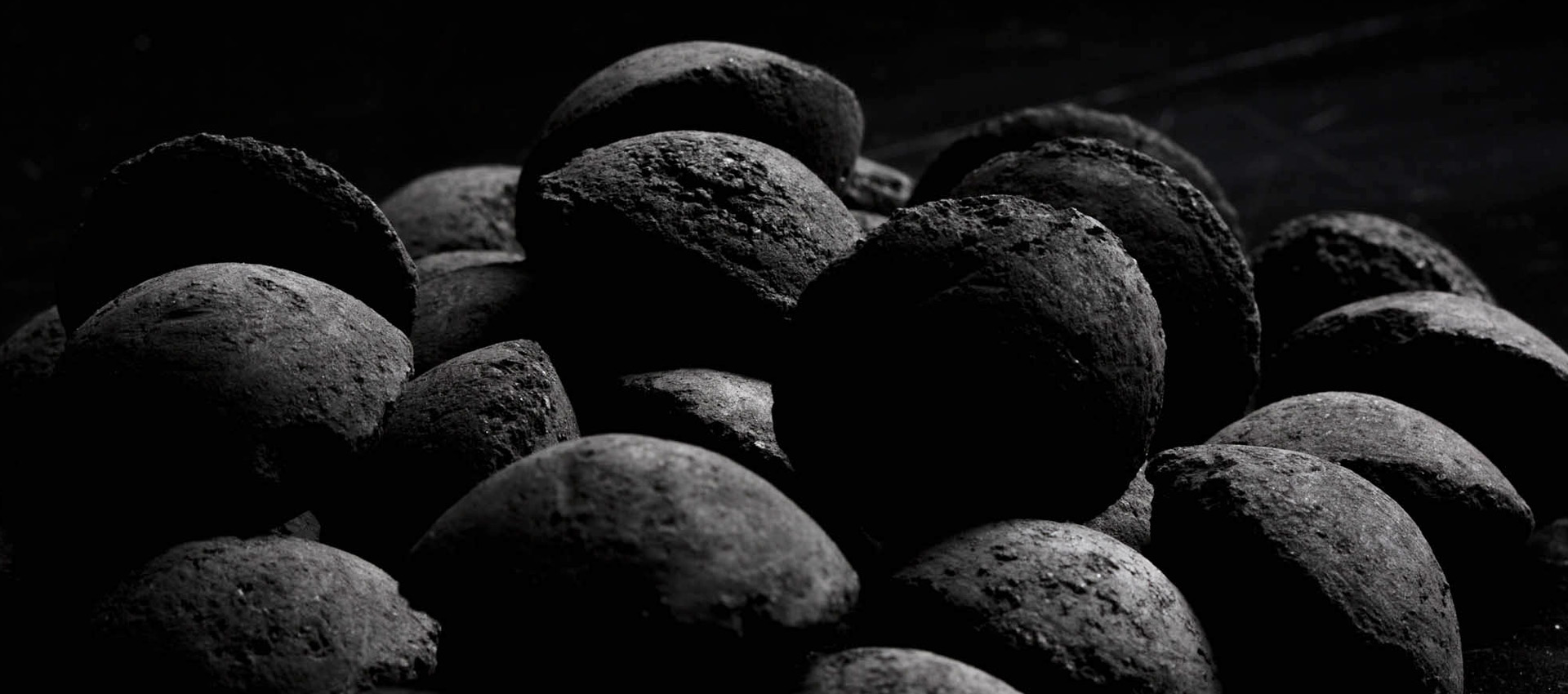
Charcoal briquettes are made by compressing leftover bits of wood and sawdust with additives like starch, borax, and limestone. The additives help the briquettes burn more consistently and produce less ash.
One of the advantages of briquettes is that they are uniform in size and shape, which makes them easier to stack and grill evenly. Briquettes also tend to burn longer than lump charcoal, which makes them a good choice for longer grilling sessions.
However, briquettes can contain additives that some people may not like, and they tend to produce more ash than lump charcoal. They also take longer to light and may produce more smoke.
Which is Better?
There's no clear answer to which type of charcoal is better because it depends on your personal preference and what you're grilling. If you're looking for an all-natural option that burns hotter and faster, lump charcoal is the way to go. If you want a more consistent burn and less ash, briquettes are a good choice.
If you're concerned about the environmental impact of your charcoal, there are eco-friendly options available. For example, some companies make eco-charcoal briquettes that are made from sustainable materials and produce less pollution.
Ultimately, the choice between lump charcoal and briquettes comes down to what you value most in your grilling experience. Both have their advantages and disadvantages, so it's important to experiment and find what works best for you.
The Composition and Production Process
When it comes to the composition of charcoal, both briquettes and lump charcoal are made from wood. However, the production process and additives used in each can vary.
Lump charcoal is made by slowly burning pieces of hardwood in the absence of oxygen until all the natural chemicals, sap, and moisture get out of the wood. This process leaves behind pure carbon in irregularly shaped chunks. Lump charcoal is often considered more natural and organic since it does not contain any additives or binders.
On the other hand, charcoal briquettes are made from a combination of sawdust, leftover wood, and additives such as cornstarch and binders. The sawdust and leftover wood are compressed into uniform shapes and sizes using high pressure. The addition of additives and binders can affect the quality and flavor of the charcoal produced.
While both types of charcoal can be used for grilling and smoking, some argue that lump charcoal is better for grilling since it burns hotter and faster. This can be beneficial when cooking foods that require high heat, such as steaks and burgers. However, charcoal briquettes can burn longer and more consistently at lower temperatures, making them ideal for smoking meats.
In recent years, eco-charcoal briquettes have become more popular. These briquettes are made from natural, sustainable materials such as coconut shells and bamboo. They are free from additives and binders, making them a more environmentally friendly option.
Overall, the choice between lump charcoal and charcoal briquettes comes down to personal preference and the type of cooking you plan to do. Both have their advantages and disadvantages, and choosing the right one for you will depend on your specific needs and preferences.
Grilling with Charcoal: Pros and Cons
When it comes to grilling, charcoal is a popular choice for many people because of the smoky flavor it imparts to the food. However, there is a debate on whether lump charcoal or charcoal briquettes are better. Here are some pros and cons of grilling with charcoal:
Pros
- Charcoal grilling allows for high-heat searing and charring, which can create a crispy exterior while keeping the interior moist and juicy.
- Charcoal grilling imparts a smoky flavor to the food, which can enhance the taste.
- Charcoal grilling allows for temperature adjustment by adjusting the amount of charcoal used or by moving the charcoal around.
- Charcoal grilling can be used for smoking and barbecue, which can create a unique flavor and texture in the food.
Cons
- Charcoal grilling can be messy, with ashes and soot to clean up.
- Charcoal grilling requires more time and effort to light and maintain the fire compared to gas grilling.
- Charcoal briquettes may contain additives that can affect the taste of the food.
- Charcoal grilling can be less environmentally friendly compared to gas grilling.
While both lump charcoal and charcoal briquettes have their pros and cons, eco-charcoal briquettes are a better option for those who want to reduce their environmental impact. These briquettes are made from sustainable materials and do not contain harmful additives, while still providing the same benefits of traditional charcoal grilling.
The Impact on Taste and Flavor
When it comes to taste and flavor, there is a noticeable difference between lump charcoal and briquettes. Lump charcoal burns hotter and faster than briquettes, which can lead to a more intense smoky flavor in your food. Additionally, lump charcoal is made from all-natural wood, which can add a subtle wood flavor to your food, depending on the type of wood used.
On the other hand, briquettes are made from sawdust and leftover woods, which are combined with additives during the manufacturing process. These additives can sometimes give off a chemical smell when first lit, which can affect the taste of your food. However, once the briquettes have burned for a while, the chemical smell usually dissipates.
If you prefer a more organic and natural option, lump charcoal may be the way to go. It is made from pure wood and doesn't contain any additives or chemicals. Additionally, if you want a specific wood flavor, you can choose lump charcoal made from a specific type of wood, such as hickory.
However, if you're looking for a more consistent burn and don't mind the additives, briquettes may be a better option for you. They are designed to burn more steadily and at a lower temperature than lump charcoal, which can make them easier to control. Plus, they are often more affordable than lump charcoal.
Overall, the impact on taste and flavor between lump charcoal and briquettes can be subjective and depends on personal preference. It's worth trying both options to see which one you prefer. If you want to make a more eco-friendly choice, look for briquettes made from sustainable materials or try using eco-charcoal briquettes, which are made from recycled materials and have a lower carbon footprint.
The Cost and Size Factors
When it comes to the cost of charcoal, briquettes tend to be cheaper than lump charcoal. This is because briquettes are made from compressed sawdust and other materials, while lump charcoal is made from natural hardwood. However, the price difference may vary depending on the brand and quality of the charcoal.
In terms of size, briquettes usually come in uniform shapes and sizes, which makes them easier to stack and store. On the other hand, lump charcoal can come in different sizes and shapes, including large chunks and logs. This can make it more difficult to stack and store, but it can also provide more flexibility in terms of how much charcoal you need for your grill or smoker.
It is also worth noting that some brands of charcoal briquettes may contain additives or chemicals, which can impact the flavor of your food. However, eco-charcoal briquettes made from coconut shells or other natural materials have become increasingly popular in recent years, offering a more eco-friendly option without sacrificing quality or flavor.
Overall, the choice between charcoal briquettes and lump charcoal may come down to personal preference, budget, and the specific needs of your cooking setup. While briquettes may be more cost-effective and easier to store, lump charcoal can offer a more natural and versatile option with larger chunks and logs.
Leading Brands and Their Offerings
When it comes to charcoal, there are a few leading brands that dominate the market. Two of the most well-known brands are Kingsford and Royal Oak. Let's take a closer look at their offerings.
Kingsford
Kingsford is perhaps the most recognizable name in charcoal. The company offers a wide range of charcoal products, including briquettes, hardwood charcoal, and instant light charcoal. Their Original Charcoal Briquettes are made from real wood, and they claim to light faster and burn longer than other briquettes. They also offer a variety of flavored briquettes, such as hickory and mesquite.
Royal Oak
Royal Oak is another popular brand of charcoal. They offer both briquettes and lump charcoal, and their products are made from 100% natural wood. Their briquettes are made from oak and hickory wood, and they claim to burn hotter and longer than other briquettes. Their lump charcoal is made from a blend of hardwoods, and they claim that it produces less ash than other lump charcoals.
While Kingsford and Royal Oak are two of the most well-known brands of charcoal, there are many other brands on the market as well. Some of these brands may offer unique features or benefits that are worth considering.
It's also worth noting that there are some newer brands of charcoal that are focused on sustainability and eco-friendliness. For example, there are now "eco-charcoal" briquettes that are made from recycled materials and claim to be better for the environment. These types of products may be worth considering if you're looking for a more sustainable option.
Ultimately, the brand of charcoal you choose will depend on your personal preferences and needs. Whether you prefer briquettes or lump charcoal, flavored or unflavored, there are many options available to choose from.
Environmental Considerations
When it comes to environmental considerations, both charcoal briquettes and lump charcoal have their pros and cons. Here are a few points to consider:
- Ash production: Charcoal briquettes tend to produce more ash than lump charcoal. This can be a concern if you're grilling in an area where you need to be mindful of ash buildup, such as near plants or on a wooden deck. However, some brands of charcoal briquettes are designed to produce less ash, so be sure to read the label.
- Lighter fluid: Many people use lighter fluid to ignite their charcoal, but this can be harmful to the environment. Lighter fluid contains chemicals that can release volatile organic compounds (VOCs) into the air, which can contribute to air pollution. If you're concerned about the environmental impact of lighter fluid, consider using a chimney starter instead.
- Organic movement: If you're part of the organic movement and prefer to use all-natural products, you may prefer lump charcoal over charcoal briquettes. Lump charcoal is made from hardwood, with no additives or fillers. Some brands of charcoal briquettes may contain binders or other materials that are not organic.
- Eco-charcoal briquettes: Some companies are now producing eco-friendly charcoal briquettes that are made from sustainable materials, such as coconut shells or bamboo. These briquettes are designed to be more environmentally friendly than traditional charcoal briquettes, with lower ash production and fewer harmful chemicals.
Overall, when it comes to environmental considerations, it's important to consider your own values and priorities. If you're concerned about ash production or the use of chemicals, lump charcoal may be the better option. If you're looking for a more convenient option, or if you're interested in trying eco-friendly charcoal briquettes, there are options available that may suit your needs.
Expert Opinions and Recommendations
When it comes to choosing between charcoal briquettes and lump charcoal, there are varying opinions and recommendations from experts in the grilling and barbecue community. Here are some expert opinions and recommendations for you to consider:
- Meathead Goldwyn, founder of AmazingRibs.com, suggests that lump charcoal is better for high-heat grilling, while briquettes are better for low and slow cooking. He also recommends using natural, additive-free charcoal to avoid any unwanted flavors.
- Jeff Allen, a grill master and barbecue judge, believes that both briquettes and lump charcoal have their advantages and disadvantages. He suggests using briquettes when you need a consistent burn for longer cooking times, but using lump charcoal for shorter, hotter cooks.
- Grill masters and pitmasters often have their own preferences, with some favoring lump charcoal for its natural flavor and others preferring briquettes for their consistency and ease of use.
Overall, the choice between charcoal briquettes and lump charcoal ultimately comes down to personal preference and the specific cooking needs of the individual. However, it is important to consider the quality and composition of the charcoal being used, as well as any environmental impact. For example, eco-charcoal briquettes made from sustainable materials can be a more environmentally friendly option.
In summary, when choosing between charcoal briquettes and lump charcoal, consider the advice of experts and your own personal needs and preferences. Make sure to choose high-quality, environmentally friendly options when possible.
Conclusion
In conclusion, the choice between charcoal briquettes and lump charcoal ultimately comes down to personal preference and the specific needs of your cooking situation. Both have their advantages and disadvantages, and it is up to you to decide which one is better suited for your needs.
If you are looking for a consistent heat source, charcoal briquettes may be the better option. They are made with a variety of fillers and binders that help them burn consistently and at a steady temperature. This makes them ideal for use in gas grills or kamado grills, where precise temperature control is important.
On the other hand, if you are looking for a more natural fuel source, lump charcoal may be the better choice. It is made from pure hardwoods and contains no additives or fillers. This makes it ideal for cooking with charcoal, especially when searing steaks or other meats.
When it comes to lighting your charcoal, it is best to avoid using lighter fluid. Instead, use a chimney starter to light your charcoal. This will help to ensure that your charcoal burns cleanly and without any harmful chemicals.
For those who are concerned about purity, eco-charcoal briquettes may be a better option. They are made with sustainable materials and do not contain any harmful chemicals such as limestone or borax.
In the end, the choice between charcoal briquettes and lump charcoal is a matter of personal preference. Both have their advantages and disadvantages, and it is up to you to decide which one is best for your specific needs. Whether you are a purist who prefers the natural flavor of lump charcoal or someone who values consistent temperature control, there is a charcoal option out there that is perfect for you.
Like what you see? Share this article

Want fits? Join the mailing list.
Lorem ipsum dolor sit amet, consectetur adipiscing elit. Fusce felis tellus, malesuada vel cursus et, sodales sit amet eros. Integer sed justo ac dolor molestie.
Want fits? Join the mailing list.
Lorem ipsum dolor sit amet, consectetur adipiscing elit. Fusce felis tellus, malesuada vel cursus et, sodales sit amet eros. Integer sed justo ac dolor molestie.
We Believe in Our Brand
We have a wide selection of Hookahs, Charcoals and Accessories and everything in-between. As a leading online retailer and distributor for major brands across the industry, we have everything you would want and work with shops of all sizes: small or big.


Start your charcoal briquette business right now!
Briquettes made with 100% recycled material from the annual pruning of organic-certified olive trees and from olive pits and pulp resulting after pressing. 100% environmentally friendly production methods without chemicals: the best green fire experience.


