
The Ultimate Guide to coal Briquettes: Everything You Need to Know
Back to articles
Table of content:
- What Are Briquettes?
- The Versatility of Coal
- The Charcoal Briquette Revolution
- Grilling with Briquettes: Tips and Tricks
- The Trend Towards Environmentally Friendly Options
- The Manufacturing Process: From Plant to Bag
- The Flavor Factor: How Briquettes Enhance Taste
- Economics of Grilling: Are Briquettes Cost-Effective?
- Environmental Impact and Solutions
- Summary: Choosing the Right Fuel for Your Grill
When it comes to grilling or barbecuing, the choice of fuel you use can make a world of difference in the taste and quality of your cooking. Briquettes, coal, and charcoal have been staples in outdoor cooking for decades. But what exactly are briquettes, and how do they compare to other fuel options? In this comprehensive guide, we will delve into the world of briquettes, coal, and charcoal, and explore their uses, benefits, and environmental impact. Whether you're a seasoned grill master or a novice in the world of outdoor cooking, this article is worth reading to enhance your knowledge and elevate your grilling game.
What Are Briquettes?
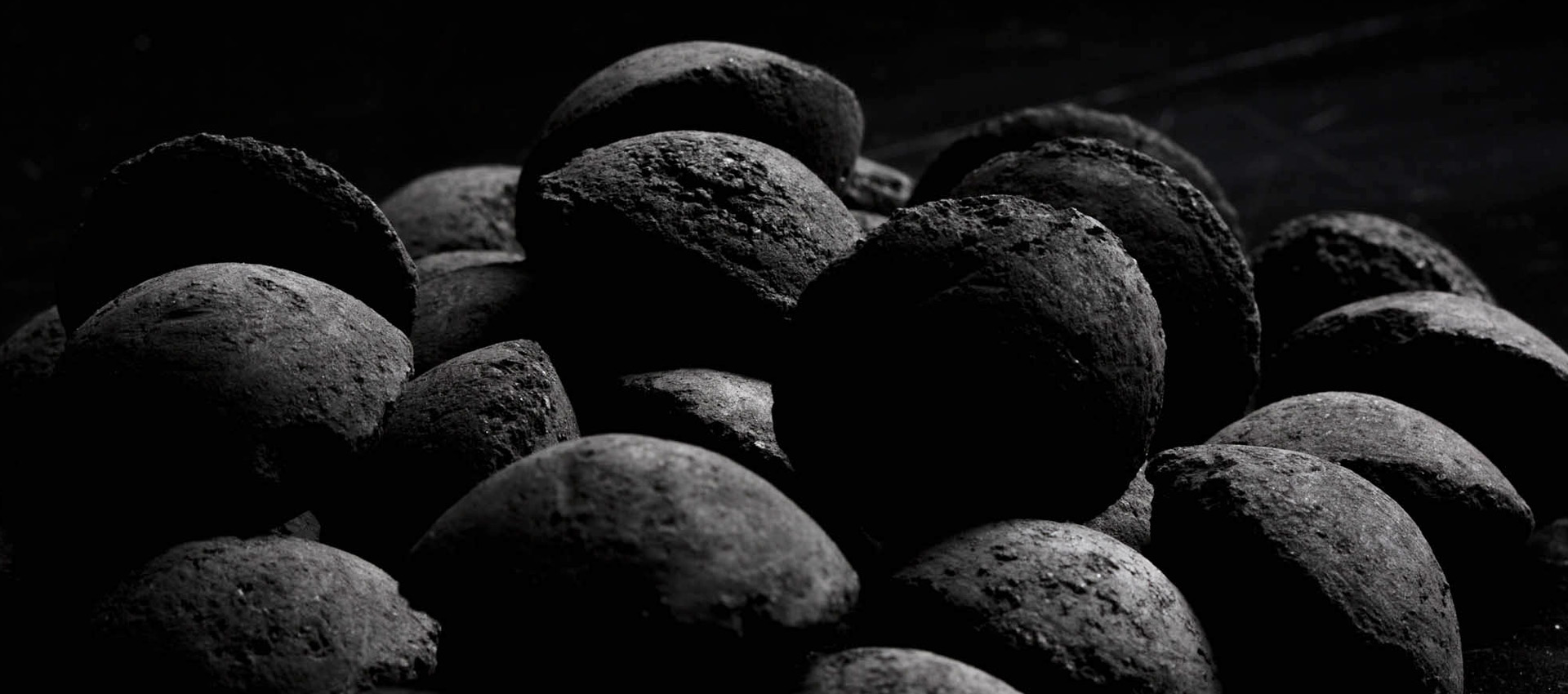
Briquettes are a popular choice for grilling and cooking due to their consistent heat output and ease of use. They are typically made from a combination of coal dust, charcoal, or other combustible materials, compressed into uniform shapes. The use of briquettes dates back to the 19th century when they were first used as a reliable source of fuel for heating and cooking.
Briquettes are manufactured by compressing raw materials under high pressure, often with the help of a binder, into the familiar pillow-shaped or square blocks we see in stores. The resulting briquettes are easy to light, burn efficiently, and provide a steady source of heat.
The popularity of briquettes lies in their convenience, affordability, and availability. They are an excellent choice for anyone looking for a consistent and reliable grilling experience, making them a staple in many households.
The Versatility of Coal
Coal, in its various forms, has been a traditional source of fuel for centuries. When it comes to grilling, it's essential to differentiate between different types of coal, such as anthracite, bituminous, and lignite. While coal offers a high heat output and long burn time, it can have an impact on the flavor of your food due to its emissions.
Comparing coal to briquettes, coal has a reputation for being more challenging to light and manage. However, its ability to provide high heat makes it an attractive option for certain grilling scenarios. Understanding the differences between coal and briquettes is crucial when selecting the right fuel for your grill.
The Charcoal Briquette Revolution
Charcoal briquettes have emerged as a game-changer in the world of grilling. They are typically made from a mixture of charcoal and a binder, resulting in uniform, easy-to-use blocks. Lump charcoal, on the other hand, is essentially charred wood in its natural form, making it popular among purists who seek an authentic grilling experience.
One of the key advantages of charcoal briquettes is their consistency. They burn evenly and provide a reliable source of heat, making them an excellent choice for beginners and seasoned grillers alike. Lump charcoal, while offering a unique aroma and flavor, may be less predictable in terms of burn time and heat output.
Grilling with Briquettes: Tips and Tricks
When using briquettes for grilling, there are a few essential tips to keep in mind. Briquettes are designed to be easy to light, but achieving the perfect cooking temperature can be a bit tricky. Here are some tips to help you master the art of grilling with briquettes:
- How to ignite briquettes for the perfect cook: Lighting briquettes can be done with a chimney starter, electric starter, or lighter fluid. Each method has its pros and cons, so choose the one that suits your needs.
- Maintaining the right temperature: Adjusting the temperature of your grill can be done by adding or reducing the number of briquettes. Understanding the airflow and the placement of the briquettes is crucial for maintaining a consistent cooking temperature.
- Handling moisture and other challenges: Moisture can affect the performance of briquettes. Storing them in a dry place and avoiding exposure to rain is essential to prevent clumping and ensure they light easily.
The Trend Towards Environmentally Friendly Options
As environmental concerns continue to gain importance, there is a growing trend towards sustainable grilling options. One emerging choice is peat, a type of fuel derived from decomposed organic matter. Peat offers an eco-friendly alternative, as it can be harvested without cutting down trees or impacting carbon balance significantly.
Reducing carbon emissions during grilling is also a pressing concern. Many manufacturers are now focusing on producing low-emission briquettes, which are not only better for the environment but also provide an improved grilling experience.
The Manufacturing Process: From Plant to Bag
Understanding how briquettes are manufactured is crucial for making informed choices. The production process typically involves shredding raw materials, adding a binder, compressing the mixture, and forming it into briquettes. Manufacturers must balance efficiency and environmental considerations to produce high-quality products.
Choosing reliable manufacturers is key to ensuring the quality and sustainability of the briquettes you use for grilling. Some manufacturers are committed to reducing waste, minimizing emissions, and promoting environmentally friendly practices.
The Flavor Factor: How Briquettes Enhance Taste
The choice of fuel can significantly impact the flavor of your grilled food. Different types of fuel, such as charcoal and wood, can infuse your dishes with unique aromas and tastes. Understanding how different fuels affect flavor allows you to experiment and find the perfect balance for your barbecue.
Adding wood chips or other flavor enhancers to your briquettes can elevate the taste of your food, giving it that signature smoky and savory quality that grill enthusiasts adore.
Economics of Grilling: Are Briquettes Cost-Effective?
When comparing the cost of briquettes to other fuel options like lump charcoal or wood, briquettes often come out as a more cost-effective choice. They burn efficiently and offer a consistent heat source, making them a budget-friendly option for grilling enthusiasts.
Briquettes also provide a sustainable solution for leftover wood and biomass. By using these materials, manufacturers reduce waste and make grilling a more eco-friendly choice.
In developing countries, affordability and accessibility are crucial factors in choosing grilling fuel. Briquettes provide an inexpensive and reliable option for households that may not have access to more expensive fuel sources.
Environmental Impact and Solutions
Reducing the environmental impact of grilling is a priority for many. One way to achieve this is by selecting briquettes with lower ash content, which reduces waste and makes cleanup easier.
Moreover, manufacturers are working on ways to reduce greenhouse gas emissions associated with the production and use of briquettes. Sustainable practices and cleaner production methods are notable steps in this direction.
The Barbecue Association plays a significant role in promoting eco-friendly grilling practices. Trusting their guidelines and recommendations can help you make more sustainable choices when it comes to fuel selection and grilling techniques.
Summary: Choosing the Right Fuel for Your Grill
In summary, choosing the right fuel for your grill involves considering factors like convenience, flavor, cost, and sustainability. Briquettes offer a convenient and cost-effective solution for grilling, making them a popular choice for many. However, understanding the differences between briquettes, coal, and charcoal allows you to tailor your grilling experience to your preferences and values.
Ultimately, the choice of fuel for your grill is a matter of personal preference and priorities. Whether you opt for briquettes, coal, or charcoal, the most important thing is to enjoy the cooking process and the delicious meals that result from it. With the right knowledge and a bit of experimentation, you can become a grilling pro and make every outdoor meal a memorable one.
Like what you see? Share this article

Want fits? Join the mailing list.
Lorem ipsum dolor sit amet, consectetur adipiscing elit. Fusce felis tellus, malesuada vel cursus et, sodales sit amet eros. Integer sed justo ac dolor molestie.
Want fits? Join the mailing list.
Lorem ipsum dolor sit amet, consectetur adipiscing elit. Fusce felis tellus, malesuada vel cursus et, sodales sit amet eros. Integer sed justo ac dolor molestie.
We Believe in Our Brand
We have a wide selection of Hookahs, Charcoals and Accessories and everything in-between. As a leading online retailer and distributor for major brands across the industry, we have everything you would want and work with shops of all sizes: small or big.


Start your charcoal briquette business right now!
Briquettes made with 100% recycled material from the annual pruning of organic-certified olive trees and from olive pits and pulp resulting after pressing. 100% environmentally friendly production methods without chemicals: the best green fire experience.


