
Back to articles
Table of content:
Charcoal briquettes are an environmentally conscious alternative to traditional fuels. These compressed organic materials offer a cost-effective, efficient, and eco-friendly way to generate heat for various purposes. If you're considering making the switch to organic charcoal briquettes, this comprehensive guide will provide you with all the essential information you need.
What Are Organic Charcoal Briquettes?
Organic charcoal briquettes are a type of fuel made from compressed, combustible biomass. The process involves shredding organic material, which is then dried, refined, and compressed into a desired shape and density using a specialized briquetting machine. While the most common materials for producing organic charcoal briquettes are byproducts of wood and coal production, they can also be created from a wide range of combustible biomass, including agricultural and municipal waste.
These briquettes typically come in log or brick shapes, with the latter being more prevalent globally. The term "briquette" is derived from the French word, meaning "little brick."
What Are Organic Charcoal Briquettes Made From?
Organic charcoal briquettes can be manufactured from various materials, including:
- Wood Byproducts: These briquettes are primarily made from sawmill byproducts, such as wood chips, bark, sawdust, wood shavings, and parawood scraps.
- Peat: Dried peat is another popular material used for the production of briquettes. Peat briquettes burn at high temperatures with minimal smoke.
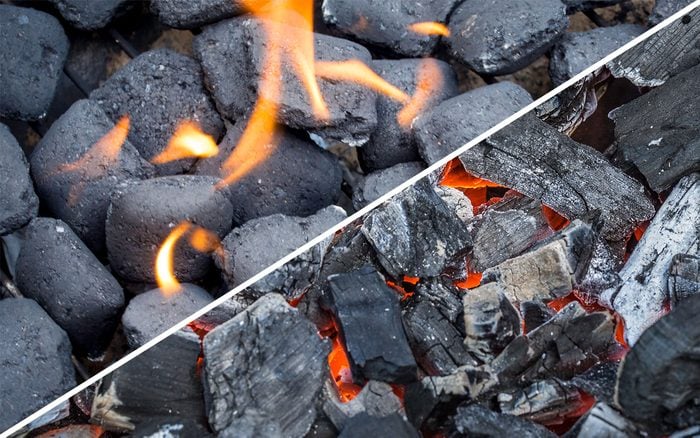
- Charcoal Fines: Charcoal briquettes, also known as BBQ briquettes, are made from charcoal fines and are commonly used for heating and grilling.
- Straw and Hay: Large farms often make briquettes from straw and hay to create an affordable source of fuel.
- Agricultural Byproducts: Worldwide, various agricultural byproducts, such as rice husks and bagasse, are being converted into briquettes for environmental and economic reasons.
The Benefits of Using Organic Charcoal Briquettes
- High Energy Density: Organic charcoal briquettes have a low moisture content and high density, resulting in a significantly higher energy content compared to an equivalent volume of regular firewood.
- Long Burn Times: These briquettes can burn for extended periods, reducing the need for frequent refueling.
- Health and Safety: Unlike coal, which emits harmful toxins, organic charcoal briquettes are a cleaner, safer option for heating. Additionally, briquette production reduces waste and doesn't require the cutting of trees.
- Easy Storage and Handling: Organic charcoal briquettes are extremely energy-dense, requiring less storage space than firewood. They often come in easy-to-store boxes that can be stacked, without the staining or health concerns associated with coal.
- Cost Savings: Made from sawmill byproducts, organic charcoal briquettes are a cost-effective option, especially when purchased in bulk for an entire heating season.
How Are Organic Charcoal Briquettes Made?
The production of organic charcoal briquettes involves several steps:
- Collection: Raw biomass material is collected and prepared for the briquetting process.
- Drying: The material is dried to reduce its moisture content, which ensures efficient combustion.
- Refinement: The dried material is refined to remove impurities and achieve the desired quality.
- Briquetting Machine: The refined material is then fed into a specialized briquetting machine, where a pressing ram compresses it into the desired shape and density.
- Drying (Optional): If necessary, the briquettes may undergo additional drying to reach the appropriate moisture levels.
Are Organic Charcoal Briquettes Eco-Friendly?
Yes, organic charcoal briquettes are considered environmentally friendly. They are made from waste materials, such as sawdust, rice husks, or peat, and are a natural and renewable resource. When burned, they produce less smoke and carbon dioxide compared to many other wood fuels.
Types of Organic Charcoal Briquettes
- Wood Briquettes: Made from wood chips, shavings, sawdust, and bark, wood briquettes come in various types, each with unique properties.
- Sawdust Briquettes: These are the most popular type, offering moderate heat output, affordability, and long burn times.
- Heat Logs: Made from highly compressed, low-moisture sawdust, heat logs burn hotter and are ideal for cold winter nights.
- Bark Briquettes: These burn cooler and release heat slowly, making them suitable for extended heating.
- Charcoal Briquettes: Primarily used for grilling and heating, charcoal briquettes are made from charcoal fines and may contain chemical additives to bind the material. They can be harder to light, and some may have a noticeable chemical taste.
- Peat Briquettes: Peat briquettes are a popular choice in regions like Ireland. They are created from dried peat and have a long burn time, but they emit a distinct odor when burned.
- Other Biomass Briquettes: While wood and peat are the most common materials, briquettes can be made from various combustible biomass, including hay, straw, rice husks, bagasse, and even municipal solid waste.
Choosing the Right Briquettes
The choice of briquettes depends on your specific needs and the type of heating or cooking appliance you're using. Here are some recommendations:
- Best General Use Briquettes: Sawdust briquettes are a versatile choice, offering good heat output, affordability, and long burn times.
- Best for Home Heating: To heat your home throughout the year, you can use sawdust briquettes and adjust the quantity as needed based on the weather. Consider incorporating heat logs and Night Briquettes for extra convenience and heating options.
- Multi-Fuel Stoves: Pini Kay Eco Logs are ideal for multi-fuel stoves and log burners due to their shape and burn characteristics.
- Overnight Heating: Night Briquettes are perfect for overnight heating, with a burn time of up to 8 hours.
- Hottest-Burning: Heat Logs are the hottest-burning briquettes available, providing a high-temperature fire.
A Brief History of Briquettes
Briquettes have a long history, dating back to pre-industrial times when people used primitive techniques to compact flammable biomass into firewood-like shapes. The first industrial briquetting machines appeared in the 19th century, enabling the creation of better-quality briquettes.
During World War II, briquettes made from sawdust and wood shavings gained popularity due to fuel shortages. However, they fell out of favor after the war when hydrocarbon fuels became more accessible.
In the 21st century, a renewed focus on environmental concerns and competition in the briquette market led to significant advancements in briquette quality and properties. Modern briquettes, such as Night Briquettes, offer exceptional burn times and efficiency.
Frequently Asked Questions About Organic Charcoal Briquettes
- What is a briquette? A briquette is a type of fuel made from compressed combustible biomass, often used for heating and cooking.
- Where does the name briquette come from? The term "briquette" originates from the French word, meaning "little brick."
- What are heat logs? Heat logs are a type of wood fuel made from low-moisture, highly compressed sawdust, which results in longer burn times and higher temperatures.
- Can I use briquettes for grilling? While you can use charcoal briquettes for grilling, it's essential to choose those specifically designed for this purpose, as they may contain additives.
- Are organic charcoal briquettes eco-friendly? Yes, organic charcoal briquettes are considered eco-friendly because they are made from renewable and often waste materials. They also emit less smoke and carbon dioxide compared to many wood fuels.
- Can I use briquettes in a wood-burning stove or multi-fuel stove? Yes, many types of briquettes are suitable for wood-burning stoves and multi-fuel stoves. You can choose the type that best fits your heating needs and appliance.
In conclusion, organic charcoal briquettes offer an eco-friendly, cost-effective, and efficient alternative to traditional fuels for heating and cooking. By understanding the types of briquettes available and your specific needs, you can make an informed choice and enjoy the benefits of this sustainable energy source.
Like what you see? Share this article

Want fits? Join the mailing list.
Lorem ipsum dolor sit amet, consectetur adipiscing elit. Fusce felis tellus, malesuada vel cursus et, sodales sit amet eros. Integer sed justo ac dolor molestie.
Want fits? Join the mailing list.
Lorem ipsum dolor sit amet, consectetur adipiscing elit. Fusce felis tellus, malesuada vel cursus et, sodales sit amet eros. Integer sed justo ac dolor molestie.
We Believe in Our Brand
We have a wide selection of Hookahs, Charcoals and Accessories and everything in-between. As a leading online retailer and distributor for major brands across the industry, we have everything you would want and work with shops of all sizes: small or big.


Start your charcoal briquette business right now!
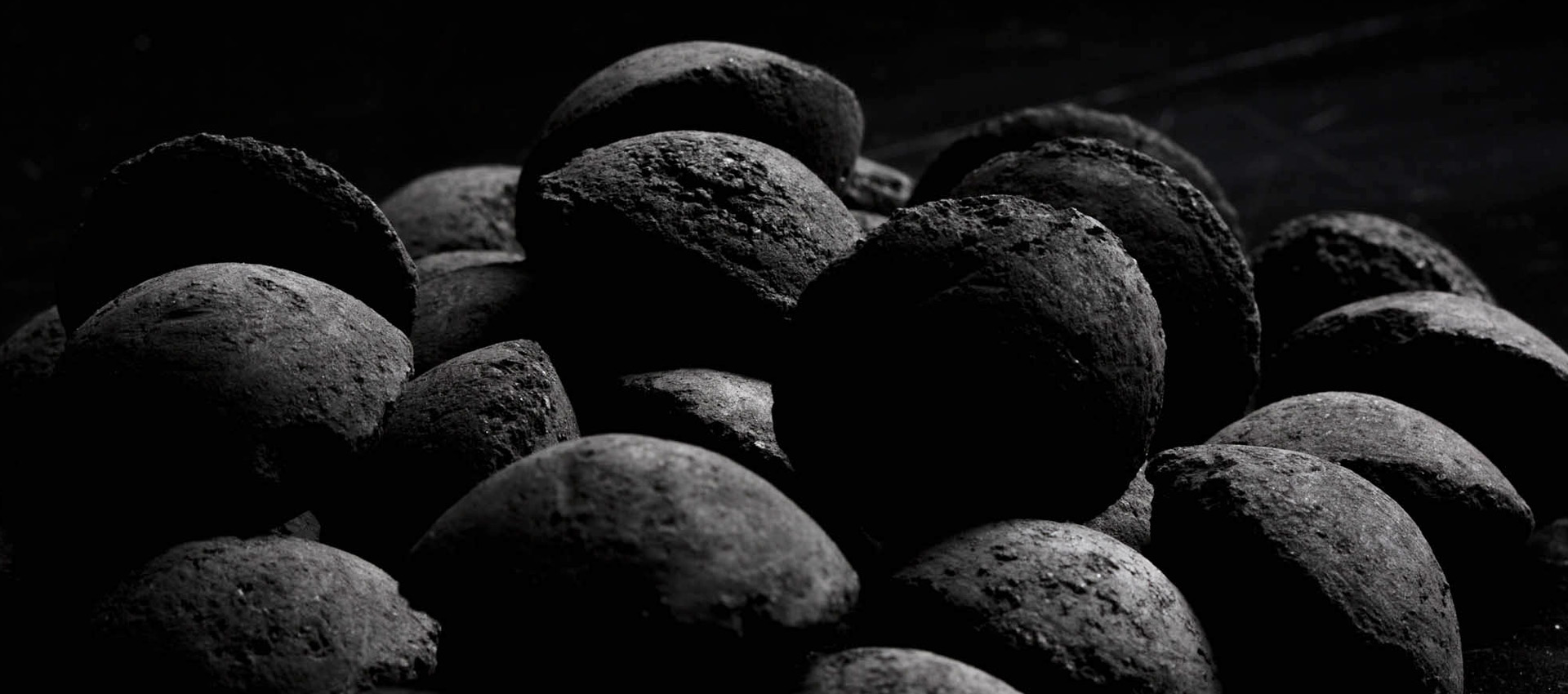
Briquettes made with 100% recycled material from the annual pruning of organic-certified olive trees and from olive pits and pulp resulting after pressing. 100% environmentally friendly production methods without chemicals: the best green fire experience.


